Author: admin

  • Cardiovascular Disease | Internal Medicine

    Cardiovascular Disease | Internal Medicine

    The Discipline

    Cardiovascular disease (typically referred to as “cardiology”) focuses on prevention, diagnosis, and management of disorders of the cardiovascular system.

    Management of risk factors for cardiovascular disease prevention, and early diagnosis and intervention for established disease are important elements of cardiology. Diseases typically seen by a cardiologist include:

    • Coronary artery disease
    • Ischemic heart disease
    • Pericardial diseases
    • Cardiomyopathies
    • Endocarditis
    • Dysrhythmias
    • Valvular heart disease
    • Congenital heart disease in adults
    • Disorders of the veins, arteries, and pulmonary circulation

    Some cardiologists choose to focus their practice further in specific areas of cardiovascular disease. Advanced certification is available in Interventional Cardiology (diagnosis and treatment of cardiovascular disease with invasive methods), Cardiac Electrophysiology (evaluation treatment of dysrhythmias), and Heart Failure and Transplant Cardiology (management of advanced heart failure) following additional training beyond the basic cardiovascular disease fellowship.

    Cardiologists practice in a wide range of settings, including individual or group practice, participation in multispecialty group practices, and work in hospital settings, either as full-time staff or as a consultant.

    Training

    Cardiovascular fellowship training requires three years of accredited training beyond the three year categorical internal medicine residency. Board certification in cardiovascular disease through the American Board of Internal Medicine is available following completion of this fellowship.

    Major Professional Societies

    • American College of Cardiology
    • American Heart Association

    Nicholas J. Ruggiero II, MD, FACP, FACC, FSCAI, FSVM, FCPP

    Nicholas J. Ruggiero II, MD, FACP, FACC, FSCAI, FSVM, FCPP
    Director, Structural Heart Disease and Non-Coronary Interventions
    Director, Jefferson Heart Institute Vascular Laboratory
    Associate Director, Cardiac Catheterization Laboratory
    Associate Director, Cardiovascular Diseases Fellowship
    Associate Professor of Medicine
    Sidney Kimmel Medical College
    Thomas Jefferson University
    Immediate Past President, Sidney Kimmel Medical College Alumni Association
     

    Why I Chose Cardiovascular Medicine

    Source link

  • COVID Nimbus Variant Now Leads the U.S. as Cases Grow in 27 States and Emergency Visits Rise

    COVID Nimbus Variant Now Leads the U.S. as Cases Grow in 27 States and Emergency Visits Rise

    A Summer Wave Is Taking Shape

    COVID-19 has not gone away. A new subvariant has taken over as the dominant circulating strain in the United States, emergency department visits are rising across all age groups, and federal epidemic models now show infections growing or likely growing in at least 27 states as of mid-July 2026.

    The variant, known as NB.1.8.1 and informally called “Nimbus,” accounted for an estimated 43% of sequenced COVID cases in the U.S. during the two-week period ending late June 2026, according to CDC genomic surveillance data, surpassing all other circulating strains to become the dominant U.S. lineage. It is a descendant of the JN.1 Omicron lineage, first detected globally in early 2025 and identified in the United States through airport screening programs in March 2026.

    This variant drove earlier surges in China, Singapore, and parts of Southeast Asia before establishing itself in the U.S. — a pattern that health officials have been watching as a leading indicator of domestic wave dynamics.


    Why This Matters

    For most healthy, vaccinated adults, the Nimbus variant appears to cause illness consistent with other recent Omicron descendants: upper respiratory symptoms, sore throat, fatigue, and fever. WHO and CDC have not found evidence of vaccine escape sufficient to cause widespread serious illness in vaccinated populations. It does not appear to cause a higher rate of severe illness, hospitalization, or death compared to LP.8.1 and other recent Omicron strains.

    But transmissibility — not just severity — drives surge dynamics. In Singapore, NB.1.8.1 spread at approximately 60% weekly growth rates before becoming dominant, and a variant capable of infecting large numbers of people simultaneously always poses an elevated risk to those who are most vulnerable: older adults, immunocompromised people, and those who have not updated their COVID vaccination.

    Rising emergency department visits are now visible across all age groups — a pattern that appeared before national clinical case counts reflected the underlying trend, consistent with how COVID summer waves have developed in prior years.


    What We Know So Far

    CDC forecasting models as of July 15, 2026 estimate that COVID infections are currently growing or likely growing in at least 27 states, based on the most recent epidemiological trend modeling.

    As of July 12, 2026, COVID test positivity nationally stood at 4.8%, up 1.1% from the previous week. Emergency department visits are also rising across all age groups, according to the CDC’s respiratory illness surveillance data.

    Nine states are currently reporting moderate to very high COVID viral levels in wastewater: California, Florida, Hawaii, Idaho, Louisiana, Nevada, Oregon, South Carolina, and Texas. Wastewater surveillance detects COVID viral particles in sewage before those infections show up in clinical test counts or hospital admissions — typically providing one to two weeks of early warning of rising community transmission.

    WastewaterSCAN, which independently monitors diseases through municipal wastewater systems, reported national COVID levels in the “high” category as of its most recent available data — a more aggressive characterization than the CDC’s current “low” national wastewater reading, reflecting different measurement methodologies.


    Where the Risk Is Highest

    The geographic pattern of elevated wastewater activity — concentrated in the South and West — is consistent with the CDC’s 2026 Summer Outlook, which identified these regions as most likely to see early COVID activity this summer, citing lower recent immunity in populations that had limited COVID exposure last winter.

    Among the states with current high or very high wastewater activity, the most populous are California, Florida, and Texas — states whose combined populations exceed 90 million people. Louisiana and South Carolina, also on the elevated list, have historically had higher rates of chronic conditions that increase COVID severity risk.

    Nimbus has been detected in sequences across multiple U.S. states, with a wide geographic spread already established. The CDC has not published a detailed regional breakdown of variant proportions due to current limitations in sequencing coverage, but the 27-state growth model reflects national-level epidemiological trends.


    What Experts Say

    The Nimbus variant first demonstrated its capacity for rapid spread in Asia, where it drove surges in China, Singapore, and parts of Southeast Asia before being identified in the U.S. through airport monitoring. The pattern from those earlier waves — high transmissibility, widespread community spread, manageable severity in vaccinated populations, but significant risk for the immunocompromised and unvaccinated — is what U.S. health officials are using to calibrate their summer expectations.

    The CDC’s 2026 Summer Outlook identified the South and West as the most likely regions for early summer COVID activity. The current wastewater data is confirming that pattern. Health officials are urging high-risk individuals to verify their vaccination status before exposure opportunities increase with summer travel and large indoor gatherings.

    The current 2025–2026 updated COVID vaccines target the LP.8.1 variant. Health authorities are monitoring whether an NB.1.8.1-specific update to the vaccine formulation will be needed for the fall 2026 vaccine cycle, though no announcement on that question has been made as of mid-July 2026.


    What the Evidence Shows and What It Does Not

    MedicalDaily Evidence Check

    • Variant proportion data: 43% of sequenced cases attributed to NB.1.8.1 as of late June 2026. The CDC notes that its precision in variant proportion reporting is currently “low” due to limited sequencing data; the exact proportion may shift as more samples are processed. The dominant status of the variant is well-established.
    • Severity: Available data from WHO, ECDC, and U.S. surveillance do not show increased severe disease, hospitalization rates, or case fatality compared to recent prior variants. This may change as the wave develops and more clinical data accumulates.
    • Vaccine protection: Current vaccines are expected to retain meaningful protection against severe illness and hospitalization, though their effectiveness against infection with NB.1.8.1 specifically is still being assessed.
    • What is not yet known: U.S.-specific clinical severity data for NB.1.8.1 is still accumulating. The peak of the current wave has not yet been reached in most affected states.

    Who Faces the Greatest Risk?

    COVID continues to cause serious illness and death primarily in specific vulnerable populations:

    • Adults 65 and older, who account for a disproportionate share of COVID hospitalizations and deaths in every recent wave
    • People who are immunocompromised — including those receiving cancer chemotherapy, organ transplant recipients, people with HIV, and those on biologics or corticosteroids
    • People who have not received an updated COVID vaccine in the past year
    • Individuals with multiple chronic conditions — particularly heart disease, diabetes, chronic kidney disease, and obesity
    • Pregnant people, who face elevated risk from respiratory infections
    • People in high-density settings — nursing facilities, group homes, correctional facilities — where transmission risk is amplified

    For younger, healthy, vaccinated adults, the current evidence suggests the Nimbus variant causes illness that is unpleasant but rarely severe.


    Symptoms and Warning Signs to Watch For

    Nimbus appears to cause symptoms consistent with other recent Omicron subvariants. Some patients have reported a more pronounced sore throat — described in some accounts as a “razor blade” sensation — as a notable early symptom. Other common presentations include:

    • Sore throat and upper respiratory congestion
    • Fatigue and body aches
    • Fever or chills
    • Headache
    • Runny nose or cough

    Symptoms that warrant prompt medical attention, particularly in high-risk individuals:

    • Shortness of breath or difficulty breathing
    • Persistent chest pain or pressure
    • Confusion or inability to stay awake
    • Bluish lips or face
    • Oxygen saturation below 94% if monitored at home

    What You Can Do Now

    • Check whether you are up to date on your COVID vaccination. The 2025–2026 updated vaccine is available at most pharmacies and health department clinics, many at no cost. Use vaccines.gov to find a location near you.
    • If you are immunocompromised or in a high-risk category, ask your provider whether you qualify for COVID pre-exposure prophylaxis or treatment options like Paxlovid, should you test positive.
    • Use a high-quality mask — N95 or KN95 — in crowded indoor settings if you are at high risk, particularly in airports, public transit, or large indoor gatherings.
    • If you test positive, isolate to protect others and contact your provider immediately if you are in a high-risk category to discuss whether antiviral treatment is appropriate. Paxlovid is most effective when started within five days of symptom onset.
    • Monitor CDC COVID Data Tracker and your state health department for updated local wastewater and clinical trend data.

    Cost and Access: What Patients Should Know

    Updated COVID vaccines are available at no cost at most pharmacy chains — including CVS, Walgreens, Rite Aid, and Walmart pharmacy — for people with Medicare, Medicaid, or private insurance. For uninsured patients, the CDC’s Bridge Access Program and state vaccination programs provide vaccines at no out-of-pocket cost at participating locations.

    Paxlovid, the antiviral treatment for COVID-19, requires a prescription. It is covered under most insurance plans for eligible patients with COVID-19 who are at high risk of severe illness. Patients without insurance can ask their provider or pharmacist about the Pfizer patient assistance program.

    At-home COVID tests remain available at pharmacies and continue to detect the Nimbus variant, though their sensitivity may be lower early in infection than at 48 to 72 hours after symptom onset.


    What Happens Next

    The summer COVID wave is expected to develop through July and into August in the states currently showing elevated wastewater signals. The CDC updates its COVID epidemic trend forecasts weekly; MedicalDaily will report on significant changes in wave dynamics, vaccination guidance, or variant severity data as they emerge.

    The WHO and FDA are monitoring whether the fall 2026 COVID vaccine formulation should target NB.1.8.1 or a newer variant; decisions on the fall vaccine strain typically come in late summer.


    The Bottom Line

    The Nimbus variant has made COVID the dominant public health story of midsummer 2026, with infections growing in 27 states and ER visits rising nationally. For most vaccinated, healthy adults, this wave is likely to produce an uncomfortable but manageable illness. For older adults, immunocompromised people, and those without updated vaccinations, this summer presents a genuine and preventable risk. Get vaccinated, monitor your local wastewater data, and know how to access antiviral treatment quickly if you are in a high-risk group.

    Source link

  • A Lack of Vision: How the Wildfires Coming from Canada Are Making It Difficult to See

    A Lack of Vision: How the Wildfires Coming from Canada Are Making It Difficult to See

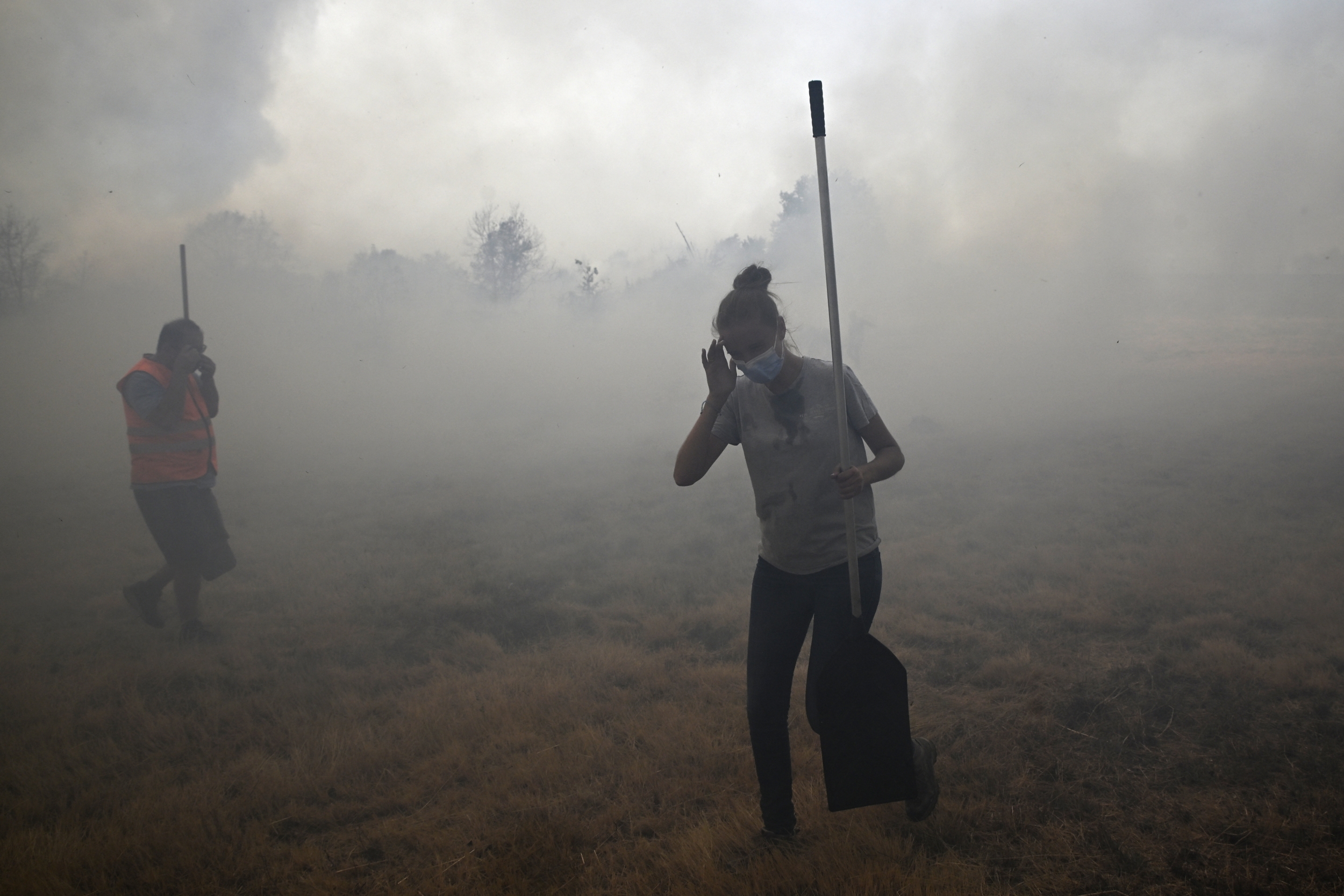
    Canada’s wildfires continue to blanket parts of its provinces and the United States with a large amount of smoke, prompting Code Purple air quality alerts and warnings for millions of residents to limit outdoor activities. While much of the concern has focused on the effects of poor air quality on the lungs, health experts say the smoke can also significantly affect the eyes, causing irritation, blurred vision, and making it harder to see as the thick haze reduces overall visibility.

    The Canadian nation remains in the midst of an active wildfire season, with dozens of fires burning across several provinces. Strong winds have carried dense smoke hundreds of miles from the fires themselves, drifting east, creating hazy skies and unhealthy air conditions in communities far from the source. The air isn’t just difficult to breathe; the smoke has reduced visibility for motorists and outdoor workers while exposing people’s eyes to microscopic particles that can trigger irritation and temporary vision problems.

    Smoke Travels East, While Also Blanketing Canada’s Neighbors

    Satellite imagery from NASA has shown massive smoke plumes stretching across eastern Canada and into parts of the United States, illustrating how wildfire smoke can travel long distances depending on wind patterns and weather conditions. Even communities located hundreds of miles away from active fires may experience hazardous air quality as airborne particles remain suspended in the atmosphere.

    To reduce health risks, local governments and public health agencies have issued the aforementioned Code Purple and other high-level air quality advisories in affected regions. Officials have encouraged residents to stay indoors whenever possible, postpone strenuous outdoor activities, monitor local air quality reports, and use clean-air shelters if available. Some jurisdictions have also distributed protective masks and expanded public messaging to help people reduce smoke exposure during periods of particularly poor air quality.

    Burning Vision? A Better Look at Smoke’s Effect on the Eyes

    Wildfire smoke contains microscopic particles and irritating gases that can come into direct contact with the surface of the eye. According to the American Academy of Ophthalmology (AAO), smoke exposure can disrupt the tear film that protects the eyes, leading to dryness and inflammation. The result is often burning, redness, watering, and irritation that can make it uncomfortable to keep the eyes open.

    The Cleveland Clinic notes that burning eyes are a symptom rather than a disease and may develop when smoke, dust, or other airborne irritants inflame the eye’s delicate tissues. Common symptoms include:

    • Burning or stinging eyes
    • Redness
    • Excessive tearing
    • Dryness
    • Itching
    • Blurred vision
    • Increased sensitivity to light
    • A gritty sensation, as though something is in the eye

    People who wear contact lenses, have allergies, or live with chronic eye conditions such as dry eye syndrome may experience more severe symptoms because wildfire smoke further irritates already sensitive eyes. Spending extra time outdoors during heavy smoke events can worsen discomfort and prolong inflammation.

    Beyond its effects on the eyes themselves, wildfire smoke also reduces overall visibility by scattering sunlight and filling the atmosphere with fine particles. This haze can make it more difficult for drivers to see other vehicles, pedestrians and road hazards, while also affecting outdoor workers, pilots and emergency responders who rely on clear sightlines to perform their jobs safely. Although the haze typically does not cause permanent vision loss, it can temporarily impair how clearly people see their surroundings until air quality improves.

    Most eye irritation resolves after smoke exposure ends, but prolonged exposure without protection may increase inflammation and worsen pre-existing eye conditions. Health experts recommend limiting outdoor activities during heavy smoke events, staying indoors with windows closed, avoiding rubbing the eyes, using preservative-free artificial tears to flush away irritants, and wearing glasses instead of contact lenses when smoke levels are high.

    If symptoms become severe, vision changes persist, or significant eye pain develops, medical evaluation is recommended.

    Keep Your Eyes Hydrated, Not Peeled

    The ongoing Canada wildfires highlight the effects poor air quality affects on not just the lungs, but also the eyes. Smoke can also interfere with eye health and vision, making routine activities such as driving, exercising or working outdoors more difficult and, in some cases, less safe because of reduced visibility.

    The widespread Code Purple alerts also highlight the importance of paying attention to local air quality advisories. While many people think of smoke primarily as a respiratory hazard, protecting the eyes by reducing exposure can help prevent irritation and temporary vision problems during prolonged wildfire events.

    For people living in affected areas, the situation serves as a reminder that monitoring air quality should become part of daily decision-making during wildfire season. By being prudent and taking simple preventive measures, such as staying indoors when smoke levels are high, using indoor air filtration, wearing eye protection outdoors when appropriate, and seeking medical attention if symptoms worsen, you can help protect both respiratory health and vision until conditions improve.

    Source link

  • Oncology | Internal Medicine | ACP

    Oncology | Internal Medicine | ACP

    The Discipline

    Medical oncology is the internal medicine subspecialty which involves the diagnosis and management of benign and malignant neoplasms. Internal medicine physicians practicing oncology (“oncologists”) typically assist general internal medicine physicians and other physicians in identifying individuals at risk for malignancy and investigating clinical symptoms and syndromes suggestive of underlying cancer. In patients with a diagnosed neoplasm, oncologists frequently undertake the care of patients with solid and hematologic tumors to attempt a cure or to prolong life and/or palliate symptoms.

    Oncologists may practice in a dedicated oncology group, managing patients along with other physicians. Many oncologists provide consultative services to both other physicians and medical institutions. Oncologists, particularly those in academic settings, may engage in basic science and clinical research and teach medical students and residents.

    Oncology is frequently coupled with training in hematology in a combined hematology-oncology fellowship program. This dual training prepares an internal medicine physician to diagnose, treat, and manage a wide range of related diseases.

    Training

    Medical oncology fellowship training requires two years of accredited training beyond completion of a basic internal medicine residency, while dual certification in hematology and medical oncology requires three years of combined fellowship training.  

    Following completion of fellowship training in oncology, trainees are eligible for certification in oncology by the American Board of Internal Medicine.

    Major Professional Societies

    • American Society of Clinical Oncology

    Perry Guaglianone, MD, FACP

    Perry Guaglianone, MD, FACP
     

    Why I Chose Oncology

    Source link

  • Jesy Nelson’s SMA Victory Highlights How Early Diagnosis Can Rewrite the Future for Babies with Rare Diseases

    Jesy Nelson’s SMA Victory Highlights How Early Diagnosis Can Rewrite the Future for Babies with Rare Diseases

    Former Little Mix singer Jesy Nelson announced this week that all newborn babies in England will be screened for Spinal Muscular Atrophy (SMA), a landmark change following her public campaign after her twin daughters were diagnosed with the rare genetic disorder.

    The announcement comes months after Nelson revealed that her daughters, Ocean Jade and Story Monroe, were diagnosed with SMA Type 1, the most severe and common form of the disease.

    In an Instagram post, Nelson said the policy change would help ensure no baby is overlooked and give future families the opportunity to access life-changing treatment as early as possible.

    The screening program, which uses the routine newborn heel-prick blood test, will identify babies with SMA before symptoms develop, a critical window because available treatments cannot reverse nerve damage that has already occurred.

    What Is Spinal Muscular Atrophy?

    Spinal muscular atrophy is a rare inherited disorder caused by mutations in the survival motor neuron 1 (SMN1) gene, which encodes a protein essential for motor neuron survival, the specialized nerve cells that control voluntary muscle movement.

    Without sufficient protein, these neurons gradually die, causing progressive muscle weakness and wasting. As the disease advances, children may lose the ability to sit, crawl, or walk, while the muscles needed for breathing and swallowing also become weaker.

    SMA is traditionally classified into five types based on when symptoms first appear and how severe they become:

    • Type 0, the rarest and most severe form of SMA. Symptoms begin before birth, and affected newborns typically have profound muscle weakness along with serious breathing and feeding difficulties.
    • Type 1, also called Werdnig-Hoffmann disease, is the most common form. Symptoms usually appear before 6 months of age and include severe muscle weakness, as well as problems with breathing, swallowing, and coughing
    • Type 2 generally develops between 6 and 18 months. Children are usually able to sit independently but cannot stand or walk without assistance.
    • Type 3, also known as Kugelberg-Welander disease, typically begins after 18 months of age. Although children can usually walk on their own, they may experience increasing difficulty with walking, running, climbing stairs, or rising from a seated position.
    • Type 4 is the adult-onset form of SMA and usually appears after age 18. It is the mildest type, with symptoms that typically include gradual, mild-to-moderate muscle weakness, particularly in the legs.

    Why Early Diagnosis Matters

    Until recently, many children with SMA were diagnosed only after they began missing developmental milestones or showing signs of muscle weakness.

    Today, newborn screening can identify the disorder before symptoms appear.

    A simple heel-prick blood sample collected shortly after birth can detect SMA, allowing physicians to begin treatment while motor neurons are still healthy.

    Because these nerve cells cannot regenerate once lost, every week without treatment can result in permanent loss of muscle function.

    Several disease-modifying therapies are now available, including gene replacement therapy and medications that increase production of the survival motor neuron (SMN) protein. Babies treated before symptoms develop are far more likely to achieve milestones such as sitting, standing, and walking than those treated after symptoms appear.

    A New Era for Rare Disease Care

    SMA has become one of the clearest examples of how newborn genetic screening is reshaping the treatment of rare diseases.

    Rather than waiting for symptoms to emerge, healthcare systems are increasingly using genetic screening to identify inherited conditions with effective therapies at the earliest stages of life.

    Early diagnosis can improve survival, reduce long-term disability, and spare families the uncertainty that often accompanies delayed diagnoses.

    For Nelson, the policy change wouldn’t be able to change her daughters’ diagnosis, but it could transform the lives of future children born with SMA.

    As gene therapies continue to advance, experts say their success depends on one critical factor: identifying the disease before it can steal a child’s strength. A simple newborn screening test may now make that possible.

    Source link

  • Cyclospora | FDA

    Cyclospora | FDA

    On July 16, 2026 the FDA announced an investigation into a 5-state outbreak of Cyclospora illnesses linked to certain shredded iceberg lettuce from Mexico served at Taco Bell locations in IN, KY, MI, OH, and WV. See our outbreak advisory for more information. 

    Cyclospora is a parasite that is so small it can only be seen under a microscope. When people eat food or drink water that’s contaminated with Cyclospora, they can get an intestinal illness called cyclosporiasis. To date, Cyclospora is believed to only infect humans and spread through human fecal matter. 

    Cyclospora is generally transmitted when infected feces (poop) contaminates food or water. It’s unlikely to be transmitted directly from person to person because the Cyclospora parasite needs time (days to weeks) after being passed in feces to become infectious.

    Related Resources


    Who Is at Risk?

    Anyone can get cyclosporiasis, but people with weakened immune systems (such as those taking immunosuppressive medications or living with HIV), the elderly, or children may experience more severe illness or complications from severe dehydration and may need longer treatment.

    People can become infected with Cyclospora if they live or travel to an area where cyclosporiasis is endemic (regularly found) or by consuming food or water that has been contaminated with the parasite. However, there have been illnesses associated with produce grown in the United States in recent years.

    What Are the Symptoms?

    The time between becoming infected and becoming sick is usually about one week, though it can range from 2-14 days or more. Cyclospora infects the small intestine (bowel) and usually causes watery diarrhea, with frequent bowel movements. Other common symptoms include loss of appetite, weight loss, stomach cramps/pain, bloating, increased gas, nausea, and fatigue. People may also experience vomiting, body aches, headache, low-grade fever, and other flu-like symptoms. However, some people who are infected with Cyclospora do not have any symptoms. If not treated, the illness may lead to dehydration and severe complications that may require higher levels of care. These complications may last from a few days to a month or longer, and can be more severe for those with weakened immune systems. Symptoms may seem to go away and then return one or more times (relapse).

    Cyclosporiasis is treatable. A healthcare provider can prescribe the correct antibiotics to treat the infection. It is important to seek care promptly, especially if you are immunocompromised, as longer treatment may be needed.

    What Foods and Water Sources Have Been Linked to U.S. Outbreaks of Cyclosporiasis?

    Past cyclosporiasis outbreaks in the U.S. have been linked to fresh produce such as raspberries, cabbage, basil, cilantro, parsley, broccoli, snow peas, sugar snap peas, and leafy greens. Cyclosporiasis also can be acquired when people eat or drink contaminated food or water during travel outside the United States. Cases acquired in the U.S. tend to occur between May and August.

    What Can Consumers Do?

    Consumers should follow these steps:

    • In the summer months, consumers should monitor illness reports from their state public health authorities, FDA, and CDC for announcements regarding foods that have been linked to Cyclospora outbreaks that consumers may want to avoid. 
    • Consumers should also consider the following when consuming produce during the Cyclospora season: 
      • Discard outer layers.  When possible, discard outer layer of fruits and vegetables. For example, throw away the outer two to three layers of leafy greens. 
      • Rinse produce thoroughly. Rinsing produce is an appropriate first step but may not reliably eliminate the parasite. Rinse all fresh fruits and vegetables under clean running water, including before you peel them.  Use a clean vegetable brush to scrub firm produce. Note that Cyclospora parasites are resistant to standard chlorine-based sanitizers. Consumers should not use soap or bleach to rinse produce.
      • Be cautious with pre-washed or pre-cut produce. Commercial washing processes may not be sufficient to remove the parasite. 
      • Avoid cross contamination. Clean kitchen counter tops, cutting boards, utensils, etc. with hot, soapy water.
      • Prioritize cooking. For any produce that can be cooked, cooking to a temperature of at least 158  °F (70°C) is the safest option, as the parasite is resistant to routine chemical disinfection and washing alone cannot guarantee its removal. Cyclospora cannot survive at these elevated temperatures. 
    • As always, wash hands with warm water and soap for at least 20 seconds before and after handling food.

    Who Should Be Contacted if You Become Sick?

    If you think you have become sick from eating potentially contaminated foods you should consult your healthcare provider, especially if you have diarrhea or other severe symptoms that last for more than three days.

    The FDA encourages consumers with questions about food safety to submit an inquiry to www.fda.gov/fcic for additional information.

    What Do Restaurants and Retailers Need to Do

    Based on current information available, Cyclospora may be resistant to routine chemical disinfection methods such as those using chlorine. However, restaurants and retailers should still follow basic food safety practices:

    • Cyclospora generally spreads through human fecal matter, therefore individuals with symptoms of vomiting or diarrhea should not handle food in retail establishments or at home as a way in which to reduce contamination.
    • Retailers, restaurants, and other food service operators should always practice safe food handling and preparation measures. It is recommended that they wash and sanitize utensils and surfaces before and after handling food. Wash and sanitize display cases and refrigerators where potentially contaminated products were stored.
    • Wash and sanitize cutting boards, surfaces, and utensils used to prepare, serve, or store potentially contaminated products.
    • Wash hands with warm water and soap for at least 20 seconds before and after handling food and following any cleaning and sanitation processes.
    • Regular frequent cleaning and sanitizing of food contact surfaces and utensils used in food preparation may help to minimize the likelihood of cross-contamination.

    Additional Information

    Source link

  • Do Cranberries and Pumpkin Seeds Help an Enlarged Prostate?

    Do Cranberries and Pumpkin Seeds Help an Enlarged Prostate?

    Cranberries and pumpkin seeds are put to the test for benign prostatic hypertrophy.

    More than 50% of men in their 50s and at least 70% of men over age 60 suffer from benign prostatic hypertrophy, or BPH, otherwise known as enlarged prostate. This can result in burdensome lower urinary tract symptoms, such as having to get up frequently at night to pee. While current medical treatments are clinically effective, side effects and low compliance rates compromise their efficacy. Symptoms include sexual dysfunction, high-grade prostate cancer, and depression. No wonder there’s poor compliance. And when medication treatment fails, surgical procedures—such as transurethral resection of the prostate—are considered. There has got to be a better way.

    Population studies suggest that low intake of animal protein and high intake of fruits and vegetables may be protective, but this is not just about cutting down on any animal protein. Eggs and poultry seem to be the worst, along with refined grains, but no association was found for red meat or dairy. Population studies aside, are there any foods that have been put to the test? In fact, there have been more than 30 randomized controlled trials on the herb saw palmetto. And it’s been found to be…totally useless.

    Evidently, cranberries were used by Native Americans to treat urinary ailments. Were they effective? You don’t know until you put them to the test. Study participants consuming about a teaspoon a day (around 3 g) of powdered whole cranberries—not those sugary, oily “craisins”—experienced significant improvements in BPH symptoms, quality of life, and all urination parameters.

    So, we know a teaspoon works, but what about a third of a teaspoon or a sixth of a teaspoon? They also helped, as you can see below and at 2:05 in my video Natural Dietary Treatments for Enlarged Prostate BPH. (The results from the one teaspoon of powdered cranberries in the previous study are represented by the bottom green line.)

    Now, this study (with the graph) used a supplement, because it was funded by the supplement company, but the supplement is just straight cranberry powder. So, you might as well buy it in bulk for much cheaper and just add it to a smoothie or something.

    What about a tastier option, like drinking purple grape juice? No benefit whatsoever.

    Previously, I’ve talked about the use of flaxseeds, which may have a therapeutic efficacy comparable to that of commonly used drugs—and only good side effects. So, what about other seeds? Pumpkin seeds have evidently been used for centuries in folk medicine as a remedy for prostate disorders, and in a petri dish, they can cut the growth of BPH prostate cells in half, as you can see below and at 2:48 in my video.

    Scientists have also injected pumpkin seed extracts into rabbits, but what about people?

    Pumpkin seed oil appears to help with prostate issues. When pitted head-to-head against the drug Prazosin, it seemed to work as well as the pill. The same thing happened when it went head-to-head against the drug Terazosin. But what the study didn’t have was a placebo group. It would have been nice to see how well the pumpkin seed oil supplement did against placebo. Or better yet—whole pumpkin seeds. In fact, there is such a study! More than a thousand men were randomized to take either pumpkin seed extract, a placebo, or just about a tablespoon a day (about 7.5 g) of plain pumpkin seeds.

    The study was funded by the drug company that made the supplement, but the supplement flopped; it was no better than placebo. The pumpkin seeds themselves, however, did work. The supplement appeared to reduce symptoms, but not better than placebo. However, just the plain old seeds did. So, it wasn’t just some compound extracted from the oil. In fact, we’ve since learned that even an oil-free extract seemed to work. The bottom line, the researchers concluded, is that pumpkin seeds could be recommended for patients with mild-to-moderate BPH symptoms. This conclusion was echoed by the European equivalent of the U.S. Food and Drug Administration: Pumpkin seeds can be used to relieve lower urinary tract symptoms related to an enlarged prostate after more serious conditions have been ruled out by a medical doctor.

    Doctor’s Note

    The flaxseed video I mentioned is Flaxseeds vs. Prostate Cancer.

    What about cranberries and prostate cancer? See Cranberries vs. Cancer.

    Can Cranberry Juice Treat Bladder Infections? Watch the video to find out.


    Source link

  • Opioid Withdrawal May Damage the Brain Beyond Neurons as Scientists Identify New Treatment Target

    Opioid Withdrawal May Damage the Brain Beyond Neurons as Scientists Identify New Treatment Target

    For decades, scientists have believed opioid withdrawal primarily disrupts the brain’s neurons, the cells responsible for sending electrical signals that control everything from movement to decision-making. But new research suggests the damage may run much deeper.

    A new study has found that opioid withdrawal may also interfere with the brain’s support system by disrupting the cells that build and repair myelin, the fatty protective coating often described as the insulation around nerve fibers.

    Without healthy myelin, brain cells struggle to communicate efficiently, potentially contributing to the poor judgment, impulsivity and social difficulties many people experience during recovery.

    The findings, published in Pharmacology Biochemistry and Behavior, reveal a previously overlooked biological process that could become the next frontier in addiction treatment.

    Scientists Look Beyond Neurons

    Most addiction research has centered on neurons, the brain cells that transmit information. But researchers behind the new study turned their attention to oligodendrocytes, specialized support cells that produce myelin and keep the brain’s communication network running smoothly.

    Using a mouse model of opioid withdrawal, the team discovered that withdrawal sharply reduced the activity of Sox10 and Myrf, two genes essential for the production of mature oligodendrocytes and the maintenance of healthy myelin.

    As those genes became less active, fewer new oligodendrocytes formed, limiting the brain’s ability to repair its protective wiring during the earliest stages of withdrawal.

    The findings suggest withdrawal doesn’t simply alter brain signaling; it may temporarily weaken the infrastructure that allows those signals to travel in the first place.

    The Brain’s Wiring Could Explain Why Recovery Feels So Hard

    Myelin makes up much of the brain’s white matter, which serves as the communication highway connecting different brain regions.

    When that network is disrupted, messages between brain cells can slow down or become less efficient. Scientists believe that it may help explain why opioid withdrawal is often accompanied by impaired decision-making, weakened self-control, emotional instability, and difficulty navigating social situations.

    Previous brain imaging studies have repeatedly found abnormalities in the white matter of people with opioid use disorder, but researchers have struggled to pinpoint what causes those changes.

    The new study offers one possible explanation: withdrawal itself may temporarily impair the cells responsible for maintaining the brain’s wiring.

    A New Way to Treat Opioid Withdrawal?

    Perhaps the study’s most intriguing finding was the discovery of a potential new treatment target.

    Researchers found that stimulating GPR17, a signaling protein involved in the development of myelin-producing cells, helped restore oligodendrocyte production during withdrawal in mice.

    Rather than focusing solely on easing cravings or suppressing withdrawal symptoms, future therapies could also aim to protect and rebuild the brain’s white matter.

    Such treatments would complement existing medications for opioid use disorder, including methadone and buprenorphine, which remain the standard of care for reducing relapse and overdose risk.

    The Findings Are Promising But Still Early

    The research was conducted in mice, meaning scientists cannot yet say the same process occurs in people recovering from opioid addiction. More studies in humans will be needed before therapies targeting myelin repair can move toward clinical use.

    Still, the findings challenge a long-standing assumption about how opioid withdrawal affects the brain.

    Recovery may involve more than calming overactive neurons. It could also depend on repairing the brain’s protective insulation, an unexpected vulnerability that scientists now believe could become one of addiction medicine’s most promising new targets.

    Source link

  • Comida Caseira Natural para Cães – Alimentação Saudável para Cachorro

    Comida Caseira Natural para Cães – Alimentação Saudável para Cachorro

    Product Name: Comida Caseira Natural para Cães – Alimentação Saudável para Cachorro

    Click here to get Comida Caseira Natural para Cães – Alimentação Saudável para Cachorro at discounted price while it’s still available…

    All orders are protected by SSL encryption – the highest industry standard for online security from trusted vendors.

    Comida Caseira Natural para Cães – Alimentação Saudável para Cachorro is backed with a 60 Day No Questions Asked Money Back Guarantee. If within the first 60 days of receipt you are not satisfied with Wake Up Lean™, you can request a refund by sending an email to the address given inside the product and we will immediately refund your entire purchase price, with no questions asked.

    (more…)

  • Reprogramming The Panic: Choosing Conscious Response Over Avoidance

    Reprogramming The Panic: Choosing Conscious Response Over Avoidance

    Our nervous systems are made to keep us safe from danger—but what happens when they’re responding to threats that no longer exist? Writer Catherine Swett explores how we can meet these disruptive moments with sovereignty over avoidance, and over time teach our nervous system how to respond to discomfort and anxious moments.

    The Trap of Avoidance

    People often say, “I have anxiety. I cannot do crowds.” For a long time, I believed that was my whole story. But looking back, it was not just anxiety. It was avoidance. Every time I avoided, I quietly reinforced the fear.

    Anxiety is not a monster outside of me. It is my body and brain sounding alarms. The problem is the software is outdated. It is coded from times when my body truly could not escape real threats.

    Anxiety is not a monster outside of me. It is my body and brain sounding alarms. Heart racing, tunnel vision, fight or flight, doing exactly what it was designed to do: protect me from danger. The problem is the software is outdated. It is coded from times when my body truly could not escape real threats.

    Reprogramming in Real Time

    Of course, this does not mean every internal alarm is false. Sometimes our bodies are alerting us to genuine danger, and those protective instincts deserve our attention. The real work is learning to discern when to trust the alarm and when to question it.

    When I walk into a crowd—a situation that might feel overwhelming, but that is actually not dangerous for me—and I feel panic rise, I have two choices. I can avoid it and confirm the fear, or I can walk through it and teach my body something new. I choose the latter. Each time I navigate what my nervous system warns is unsafe, I show it that I am safe.

    This is not “just anxiety.” It is real-time nervous system reprogramming. I had to walk through crowds until I proved to my system that I was no longer its prisoner.

    There is a line most people are never taught to notice. Avoidance often comes from fear, the kind where you spend your life running and the thing you fear keeps chasing you.

    Recognizing the Line Between Fear and Choice

    There is a line most people are never taught to notice. Avoidance often comes from fear, the kind where you spend your life running and the thing you fear keeps chasing you. That eventually catches up.

    But there is another place. A place where you understand yourself. You recognize the environments, dynamics, and stimuli that activate your nervous system in unsafe ways. And you also know this: if you need to walk through it, you can. You are capable. You are conscious. You are not trapped.

    You do not need to constantly expose yourself to triggers to prove resilience.

    The difference is that you do not need to constantly expose yourself to triggers to prove resilience. Once you face the root of what makes something destabilizing, you gain the ability to choose if and when that exposure belongs in your life. That is not avoidance. That is conscious choice.

    Lessons from Monks: Discipline, Not Detachment

    I have thought about this in the context of monks. I used to assume they were peaceful because they were detached, above it all. That was ignorance. Monks feel, think, and experience frustration, desire, and disturbance, just like anyone else.

    Healing is not about becoming untriggerable. It is not about enduring everything life throws at you. It is about understanding yourself deeply enough to respond consciously.

    The difference is what they choose to subject themselves to. They do not abstain out of fear. They abstain with discipline, because they understand their minds. Peace is not passive. It is actively protected. That protection requires internal work, not constant exposure.

    Healing is Sovereignty

    Healing is not about becoming untriggerable. It is not about enduring everything life throws at you. It is about understanding yourself deeply enough to respond consciously. Thoughts rise. Reactions flare. Old patterns knock, and that is okay.

    A life of avoidance with no self-work is fear in disguise.

    A life of avoidance with no self-work is fear in disguise. A life of conscious choice, rooted in understanding, is sovereignty. By locating your perception, observing your nervous system, and noticing patterns in real time, you gain the ability to respond instead of react.

    Growth Looks Like This

    We know that healing is not linear. There will be ups and downs, and that’s normal. But in general, here are grounding statements that reflect the growth process:

    • I do not rush to correct my feelings
    • I delay decisions until my nervous system settles
    • I let context and awareness arrive before action

    By treating perception and reactivity as interfaces, not flaws, urgency becomes information instead of command.

    By treating perception and reactivity as interfaces, not flaws, urgency becomes information instead of command. Intensity becomes data instead of danger. Insight alone does not stop the spiral, but noticing the system in motion gives me room to respond instead of react.

    By seeing perception this way, I can engage with reality as it is. I can separate the present from the echoes of the past and act with awareness instead of just reacting.


    Source link