Category: Family Health

  • Preparing for Wildfires | Wildfires

    Preparing for Wildfires | Wildfires

    Be prepared for wildfires

    Aerial view of a tree-filled community on a clear, sunny day.

    Take steps to be ready for a wildfire and prepare your home and landscaping to reduce your risk from a wildfire.

    Know your community’s evacuation plans.

    • Find several ways to leave your area.
    • Drive the evacuation routes and find shelter locations.
    • Have a plan for pets and livestock.

    Gather emergency supplies, including respirators.

    Can children wear respirators?

    Children ages 2 years and older can wear respirators and masks. However, NIOSH Approved respirators do not come in suitable sizes for very young children. Choose a comfortable respirator or mask that your child can wear properly. If a respirator or mask fits poorly or is uncomfortable, a child might take it off or wear it incorrectly (for example, pulling it down from their nose). This reduces the intended benefits.

    • Choose a size that fits over the child’s nose and under the chin but does not impair vision.
    • Follow the user instructions for the respirator or mask. These instructions may show how to make sure it fits properly.

    NIOSH Approved respirators and international respirators may be available in smaller sizes that fit children. However, manufacturers typically design them to be used by adults in workplaces. They may not have been tested for broad use in children.

    Infographic: Be Ready! Wildfires

    Download Infographic PDF: English | Español

    Plan to keep wildfire smoke outside.

    • Choose a room you can close off from outside air.
    • Set up a portable air cleaner or a filter to keep the air in this room cleaner even when it’s smoky outdoors or in the rest of your home.

    Schools and commercial buildings‎

    Keep track of fires near you.

    • Listen to the Emergency Alert System (EAS) and National Oceanic and Atmospheric Administration (NOAA) Weather Radio for emergency alerts.
    • Monitor fires in your area using mapping tools. AirNow’s Fire and Smoke Map has a map of fires throughout North America. NOAA’s Fire weather outlook page maps fire watches and warnings.

    Source link

  • How do oil spills impact people? Coastal Pollution Tutorial

    How do oil spills impact people? Coastal Pollution Tutorial


    A No Fishing sign in Prince George's County, Maryland.

    Oil spills can cause closures of recreational and commercial areas (Credit: NOAA).


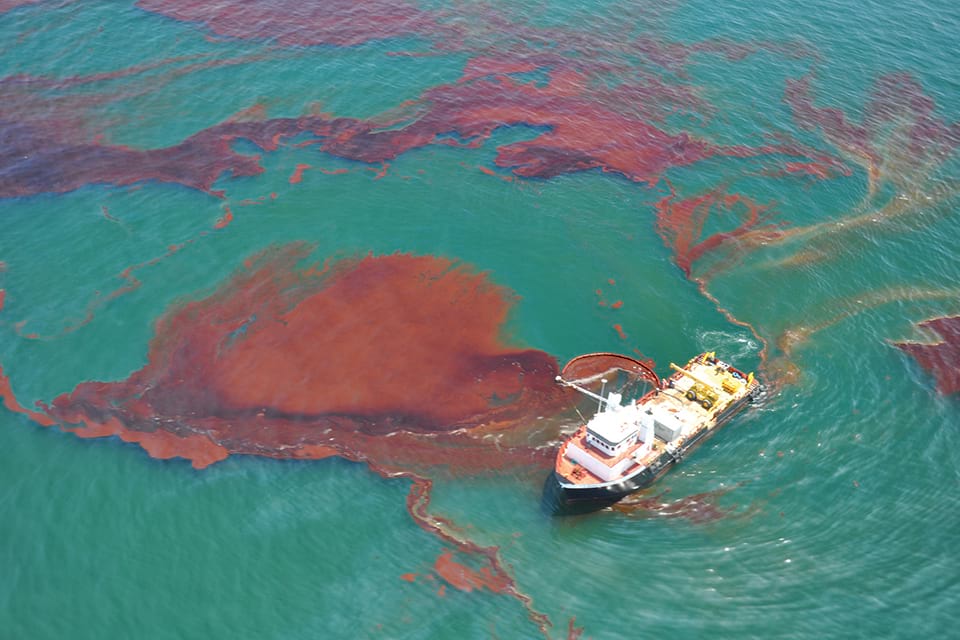
    In addition to the lives that can be lost during an oil spill event (like the explosion that led to the Deepwater Horizon spill), spills can impact the livelihoods of communities that rely on commercial or subsistence fishing, tourism, or recreation.

    Recreational activities affected by the spill in the Gulf states impacted by Deepwater Horizon included boating, fishing, and beach-going experiences like swimming, surfing, and wildlife viewing. Some beaches and recreational fisheries were closed due to oiling and cleanup activities. A group of federal and state agencies, known as Trustees, were responsible for assessing the impact of the spill. The Trustees estimated that the spill impacted recreational activities from April 2010 through November 2011. During that time, the Deepwater Horizon spill caused the public to lose more than 16 million user days of boating, fishing, and beach-going experiences. Total recreational use damages due to the spill through November 2011 were estimated at $693.2 million.

    Deepwater Horizon also devastated the commercial fishing industry. The U.S. Bureau of Ocean Energy Management estimated that the spill caused a loss of between $7.5 million and $141.1 million in revenue for harvesters across the Gulf in the eight months following the oil spill. Many people rely on Gulf fisheries for their income, from the harvesters who catch the seafood to the restaurants who serve it. Across the seafood industry, Deepwater Horizon cost up to $952.9 million in total sales, up to $309.8 million in income, and as many as 9,315 jobs from May through December 2010.

    These economic impacts can also lead to health and emotional impacts. After the destruction of the Deepwater Horizon spill, the people in Gulf coast communities experienced increases in stress and depression. Residents worried about the economy, their way of life, and the stability of their communities. All of these factors play a role in affecting their health.


    Oil spills can cause stress or depression in people who live or work in affected areas (Credit: Florida Sea Grant/Anna Hinkeldey).

    Oil spills can cause stress or depression in people who live or work in affected areas (Credit: Florida Sea Grant/Anna Hinkeldey). View and print this infographic and see the description below.


    Indigenous communities—including Native American tribes, Alaska Natives, and Pacific Islanders—as well as other cultural groups have ties to natural resources that go beyond recreational or commercial activities.

    The Exxon Valdez oil spill fouled the critically important ecosystem of Prince William Sound, Alaska, with 11 million gallons of crude oil. Native peoples account for nearly a fifth of Alaska’s overall population. Alaska Native people and cultures stretch throughout the state, intertwined with the unique land and the waters that surround it, including Prince William Sound. This area is home to several of Alaska’s tribal groups, including Aleuts, Athapaskans, Eskimos, Eyaks, and Tlingits. It offers many natural and cultural resources these groups look to for both subsistence and to uphold their way of life.

    The Exxon Valdez oil spill significantly harmed these natural and cultural resources. A U.S. Department of the Interior study found that subsistence fishing and harvesting took a long time to recover in Prince William Sound. Wild foods harvested in the villages of Tatitlek and Chenega Bay declined from more than 600 pounds per person before the spill, to 225 pounds in 1989, and 150 pounds in 1990. Years later, harvests had still not recovered to pre-spill levels.

    Infographic Description

    This graphic shows a simple map of Louisiana, Mississippi, Alabama, and Florida, with text describing the mental health impacts of the Deepwater Horizon oil spill on communities in each of these states.

    • In Louisiana, the oil spill disrupted the work, school, and social life of some coastal residents, which resulted in symptoms of anxiety, depression, and posttraumatic stress.
    • In Mississippi, some coastal residents experienced worsened financial situations, social relationships, and health issues including more mentally unhealthy days compared to residents in the rest of the state.
    • In Alabama, some coastal residents felt stress, anxiety, and depression and had more mentally unhealthy days compared to residents in the rest of the state. Residents were also worried about air quality, safe seafood and their income or economic future.
    • In Florida, some coastal residents felt anxious and depressed especially if they experienced income loss from the spill. These feelings were observed even in areas where oil did not reach the shore.

    Beneath the map, there are three icons:

    • An off-shore oil rig labeled “Oil and gas.”
    • A plane and suitcase labeled “Tourism.”
    • And a fishing vessel labeled “Fishing.”

    These icons are accompanied by text reading, “Regionally, some coastal county residents reported decreased income, lost jobs, and a disruption in their work or family life, which resulted in mental health distress in themselves and their children. People that relied on the jobs connected to the Gulf were more likely to suffer from negative mental health symptoms after the oil spill. Of these industries, negative impacts were most common in fishing communities.”

    Key Takeaway: The Deepwater Horizon oil spill affected communities in many different ways, but all reported increased mental health concerns.

    Source link

  • Read “Oil in the Sea IV: Quick Guide for Practitioners and Researchers” at NAP.edu

    Read “Oil in the Sea IV: Quick Guide for Practitioners and Researchers” at NAP.edu

    especially following oil spills that contaminate highly productive coastal waters.

    Waves may disperse oil slicks into the water column, presenting contact and ingestion hazards for fish and suspension-feeding organisms. However, most oils are buoyant and rarely penetrate more than a few tens of meters into the water column and tend to return to the sea surface in calmer seas. Volatile components of oil present inhalation hazards for seabirds, turtles, and marine mammals that may lead to death. Oil driven toward shorelines presents contact or smothering hazards for organisms that inhabit or traverse the intertidal zone, which may lead to ingestion of oil or asphyxiation.

    In contrast, oil spills rarely lead to mass mortalities of fish or other organisms that inhabit subsurface waters. This is primarily because most components of oil do not readily dissolve into water, and those components that do dissolve usually are rapidly diluted to concentrations below acute toxicity thresholds. This rapid dilution results from dissolution of oil components from oil slicks that are typically less than 1 millimeter thick, into mixed water column layers that are typically tens of meters or more in thickness, indicating dilution factors on the order of 10,000 or more that are attained relatively rapidly. However, even diluted oil components can lead to a variety of adverse sublethal effects on marine organisms.

    In unusual cases, such as the 2010 DWH blowout in the northern Gulf of Mexico, oil may combine with sediment or other organic material and sink to the seafloor, where it accumulates and presents a contact and ingestion hazard to benthic organisms.

    The harmful effects of oil may go beyond the effects on an individual organism or species. Exposure to oil can launch a cascade of effects through different trophic levels within an ecosystem. For example, oiling can affect habitat quality, thereby reducing the availability of prey (see Figure 14). Food webs can also be disrupted if predators are

    Source link

  • Finding a New Normal: Life After a Natural Disaster | Natural Disasters

    Finding a New Normal: Life After a Natural Disaster | Natural Disasters

    Social Media Messages

    Pair these messages with the graphics below, and share them on Instagram, Snapchat, Twitter, and Facebook.

    Abby

    English: If you’ve been through a natural disaster, opening up to family and friends can help you feel better. Watch Abby’s story and learn more ways to cope at https://www.cdc.gov/disasters/teens.html. #LifeAfterDisaster

    Spanish: Si has pasado por un desastre natural, desahogarte con tus familiares y amigos puede ayudarte a sentirte mejor. Mira la historia de Abby y aprende más formas de sobrellevar la situación: https://www.cdc.gov/disasters/teens.html. #LaVidaTrasUnDesastre

    Alexis

    English: If you’ve been through a natural disaster, it’s totally normal to feel overwhelmed. Getting active and doing things you love can help you feel better. Watch Alexis’s story and learn more ways to cope at https://www.cdc.gov/disasters/teens.html. #LifeAfterDisaster

    Spanish: Si has pasado por un desastre natural, es totalmente normal que te sientas abrumado. Mantenerte activo y hacer las cosas que te gustan puede ayudarte a sentirte mejor. Mira la historia de Alexis y aprende más formas de sobrellevar la situación: https://www.cdc.gov/disasters/teens.html. #LaVidaTrasUnDesastre

    Jaylon

    English: If you’ve been through a natural disaster, remember that you’re not alone. Watch Jaylon’s story and learn ways to feel better at https://www.cdc.gov/disasters/teens.html. #LifeAfterDisaster

    Spanish: Si te ha tocado vivir un desastre natural, recuerda que no estás solo. Mira la historia de Jaylon y aprende formas de sentirte mejor: https://www.cdc.gov/disasters/teens.html. #LaVidaTrasUnDesastre

    Mariana

    English: If you’ve been through a natural disaster, spend time with the people you love — and do what you can to help others. Watch Mariana’s story and learn ways to help at https://www.cdc.gov/disasters/teens.html. #LifeAfterDisaster

    Spanish: Si has pasado por un desastre natural, pasa tiempo con las personas que te aman y haz lo que puedas para ayudar a los demás. Mira la historia de Mariana y aprende formas de ayudar: https://www.cdc.gov/disasters/teens.html. #LaVidaTrasUnDesastre

    Posters

    Help your peers in school or other teens in your community by sharing the posters below. Ask your teachers, school administrators, religious leaders, or others in your community to post these on bulletin boards, in classrooms, or other places where teens might see them.

    Abby poster

    Abby

    Download Poster in English
    or Spanish

    Alexis poster

    Alexis

    Download Poster in English
    or Spanish

    Jaylon poster

    Jaylon

    Download Poster in English
    or Spanish

    Mariana poster

    Mariana

    Download Poster in English
    or Spanish

    Source link

  • Practical tips and simple exercises to prevent neck pain

    Practical tips and simple exercises to prevent neck pain

    A man sitting at a desk in an office grimaces in pain as he holds a hand to one side of his neck.

    Neck pain is a common problem that affects people of all ages, often disrupting daily life. Thankfully, many cases of neck pain can be avoided with some simple lifestyle changes and targeted exercises.

    Common causes of neck pain

    Everyday stressors on the neck are often enough to trigger discomfort. Common culprits include:

    • Poor posture. Sitting or standing with your head and shoulders forward puts extra strain on your neck muscles.
    • Extended screen time. Looking down at phones, tablets, or computer screens for long periods can cause “tech neck.”
    • Inadequate sleep support. Using a pillow that’s too high or too flat may lead to neck stiffness.
    • Stress and tension. Emotional stress can cause you to unconsciously tighten your neck and shoulder muscles.
    • Repetitive movements. Jobs or activities that involve repetitive motions can strain the neck over time.

    Adjustments to alleviate these stressors can often prevent neck pain that could result from them.

    Ergonomic adjustments to keep neck pain at bay

    Ergonomics is the science of designing tools, spaces, and tasks in a way that reduces strain on the body. Making simple ergonomic changes to your workspace and daily activities can significantly reduce neck strain. Consider these tips:

    • Adjust your screen height. Position your computer monitor at eye level so you don’t have to look up or down. Portable laptop stands or laptop desks can elevate your laptop to a more ergonomic height and angle, whether you’re sitting on a couch, lounging in bed, or working at a desk or table.
    • Use a headset. Avoid cradling your phone between your ear and shoulder by using a headset, earbuds, headphones, or a speakerphone.
    • Support your lower back. Sit in a chair with good lumbar support, or use a small pillow to maintain the natural curve of your spine.
    • Keep your feet flat. Ensure your feet are flat on the floor while sitting, with your knees at a 90-degree angle.
    • Take regular breaks. Every 30 minutes, stand up, stretch, or move around to avoid stiffness.

    For personalized recommendations, consult a physical or occupational therapist who can evaluate your posture and body mechanics and teach you how to perform work tasks, household chores, and recreational activities in a way that minimizes neck strain.

    Mind your posture to prevent neck pain

    How you carry yourself can either prevent or contribute to neck pain. To avoid strain, aim to keep your head in a neutral position, balanced directly over your spine. This reduces stress on your neck muscles, which support the weight of your head (around 10 to 12 pounds). Tilting your head forward, even slightly, can dramatically increase the load on your neck, leading to a painful condition often referred to as “text neck.”

    Beyond the head and neck, the posture of your entire body plays a crucial role in preventing neck discomfort. Here are some additional posture tips to incorporate into your routine.

    • Keep your body in proper alignment. When standing or sitting, keep your ears directly over your shoulders to avoid forward head posture. When standing or walking, proper alignment means that, from a side view, an imaginary straight line can pass through your ear, shoulder, hip, knee, and ankle.
    • Don’t forget your shoulders. Keep your shoulders level and aligned – not pulled back or slouched forward. Relax your shoulders by rolling them back and down to prevent tension from building up.
    • Engage your core. A strong core supports your upper body and helps maintain good posture. When standing or walking, actively engage your core. One way to do this is by imagining that you are preparing to counter a push from the front, side, or back.

    Practicing good posture may feel awkward at first, but over time it may become second nature.

    Neck-friendly modifications for exercise and hobbies

    Growing research shows that targeted exercises – and regular physical activity overall – can aid in disrupting persistent neck pain and promote faster recovery from neck injuries. But certain exercises and hobbies can inadvertently strain your neck if done incorrectly. To protect your neck:

    • Use ergonomic tools when gardening. Opt for tools with long handles to minimize bending and straining your neck. It can also help to regularly stand up, stretch, and change positions to prevent prolonged neck strain.
    • Maintain good posture and wear supportive gear while running or walking. Keep your head balanced over your spine, avoid leaning forward, and relax your shoulders to reduce neck strain. Wear supportive shoes to minimize impact and reduce the risk of neck discomfort.
    • Modify your bicycling position. Opt for a bicycle with upright handlebars to maintain a more comfortable neck position. Keep your shoulder blades down and back. Alternatively, consider a recumbent bike, which allows you to sit in a reclined position with back support and legs extended forward, reducing strain on your neck and back.

    Stretching exercises to prevent neck pain

    Performing neck stretches can alleviate muscle tightness and maintain or enhance your neck’s range of motion. Here are some easy stretches to try.

    • Neck tilts. Sit or stand upright. Slowly tilt your head toward your right shoulder, holding for 10 to 15 seconds. Return to center and repeat on the left side. Repeat five times on each side.
    • Chin tucks and extensions. While sitting or standing, gently tuck your chin toward your chest and hold for 10 seconds. Then gently extend your neck to look upward for 10 seconds. Repeat five times.
    • Side-to-side rotations. Turn your head to look over your right shoulder, hold for 10 seconds, then switch to the left. Repeat five times on each side.
    • Shoulder rolls. Roll your shoulders forward five times, then backward five times, in a circular motion to release tension.

    You should experience a gentle stretch – but not feel pain – when you engage in these stretches.

    When to see a doctor

    If you experience persistent or severe pain, numbness, tingling, or weakness in your neck, shoulders, or arms, it’s time to consult a doctor. These symptoms could indicate a more serious condition, such as a pinched nerve, herniated disc, or underlying illness. If neck pain is accompanied by fever, unexplained weight loss, or difficulty moving, seek immediate medical attention.

    Source link

  • Health Care Providers: Cardiologists | Nemours KidsHealth

    Health Care Providers: Cardiologists | Nemours KidsHealth


    What Is Cardiology?

    Cardiology (kar-dee-OL-uh-jee) is the medical specialty that diagnosis and treats diseases and problems of the cardiovascular system (the heart and blood vessels). 

    What Is a Cardiologist?

    A cardiologist (kar-dee-OL-uh-jist) is a doctor who diagnoses and treats medical problems that affect the heart and blood vessels.

    Why Would Someone Need One?

    Cardiologists provide care for people with problems such as:

    They do medical tests and procedures such as:

    What Is Their Training?

    Cardiologist training usually includes:

    • 4 years of pre-medical education at a college or university
    • 4 years of medical school — a medical degree (MD) or doctor of osteopathic medicine (DO) degree
    • 3 years of training in a pediatric residency program
    • 3 years of training in a pediatric cardiology fellowship. A “fellow” is a doctor who undergoes more specialty training after completing medical school and a residency.

    They also might have:

    • expertise in a subspecialty area (for example, focusing on heart transplants)

    Good to Know

    Doctors who might refer a baby or child to see a cardiologist include:

    Date reviewed: September 2022


    Source link

  • Infectious Disease Subspecialties Career Information

    Infectious Disease Subspecialties Career Information

    The Discipline

    Infectious disease medicine is the subspecialty of internal medicine that focuses on diagnosing and managing infections. Although most common infections are treated by general internal medicine physicians and other specialty physicians, internal medicine physicians practicing infectious disease medicine are frequently called upon to help diagnose unknown infections and assist in managing difficult, unusual, or complicated infections.  

    Infectious disease medicine requires an extensive understanding of the way in which bacterial, viral, fungal, and parasitic infections occur in humans and how they present clinically, as well as knowledge about antimicrobial agents, antibiotic resistance, vaccines, and other immunobiological agents. Because of their training, infectious disease internal medicine physicians are also uniquely equipped to deal with the environmental, occupational, and host factors that predispose to infection, as well as the basic principles of epidemiology and transmission of infection.

    There are many different models of infectious disease practice. Some infectious disease physicians work in a dedicated infectious disease clinic or may split their infectious disease practice with general internal medicine practice. Many infectious disease physicians serve as consultants to other physicians, seeing patients in consultation in their practice or in the hospital, and they may also follow patients with certain infections longitudinally for ongoing care. Some internal medicine physicians practicing infectious disease medicine work in dedicated settings caring for specific patient populations requiring unique knowledge and skills (such as HIV or wound care clinics). Many doctors in infectious disease practice serve as hospital or community-based epidemiologists or infection control experts. In academic settings, infectious disease physicians may provide consultative and ongoing care in ambulatory and inpatient settings, perform basic science and clinical research in infectious diseases, and teach medical students and residents.

    Training

    Training in infectious disease medicine is two years following completion of a basic three year internal medicine residency.  Board certification is offered following completion of an infectious diseases fellowship through the American Board of Internal Medicine. 

    Major Professional Society

    • Infectious Diseases Society of America

    Joyce L. Sanchez, MD, FACP

    Joyce L. Sanchez, MD, FACP
    Medical Director, Travel Health Clinic and Infusion Clinics,
    Froedtert and the Medical College of Wisconsin
    Assistant Professor of Medicine
    Division of Infectious Diseases
     

    Why I Chose Infectious Disease

    Source link

  • Cardiovascular Disease | Internal Medicine

    Cardiovascular Disease | Internal Medicine

    The Discipline

    Cardiovascular disease (typically referred to as “cardiology”) focuses on prevention, diagnosis, and management of disorders of the cardiovascular system.

    Management of risk factors for cardiovascular disease prevention, and early diagnosis and intervention for established disease are important elements of cardiology. Diseases typically seen by a cardiologist include:

    • Coronary artery disease
    • Ischemic heart disease
    • Pericardial diseases
    • Cardiomyopathies
    • Endocarditis
    • Dysrhythmias
    • Valvular heart disease
    • Congenital heart disease in adults
    • Disorders of the veins, arteries, and pulmonary circulation

    Some cardiologists choose to focus their practice further in specific areas of cardiovascular disease. Advanced certification is available in Interventional Cardiology (diagnosis and treatment of cardiovascular disease with invasive methods), Cardiac Electrophysiology (evaluation treatment of dysrhythmias), and Heart Failure and Transplant Cardiology (management of advanced heart failure) following additional training beyond the basic cardiovascular disease fellowship.

    Cardiologists practice in a wide range of settings, including individual or group practice, participation in multispecialty group practices, and work in hospital settings, either as full-time staff or as a consultant.

    Training

    Cardiovascular fellowship training requires three years of accredited training beyond the three year categorical internal medicine residency. Board certification in cardiovascular disease through the American Board of Internal Medicine is available following completion of this fellowship.

    Major Professional Societies

    • American College of Cardiology
    • American Heart Association

    Nicholas J. Ruggiero II, MD, FACP, FACC, FSCAI, FSVM, FCPP

    Nicholas J. Ruggiero II, MD, FACP, FACC, FSCAI, FSVM, FCPP
    Director, Structural Heart Disease and Non-Coronary Interventions
    Director, Jefferson Heart Institute Vascular Laboratory
    Associate Director, Cardiac Catheterization Laboratory
    Associate Director, Cardiovascular Diseases Fellowship
    Associate Professor of Medicine
    Sidney Kimmel Medical College
    Thomas Jefferson University
    Immediate Past President, Sidney Kimmel Medical College Alumni Association
     

    Why I Chose Cardiovascular Medicine

    Source link

  • Oncology | Internal Medicine | ACP

    Oncology | Internal Medicine | ACP

    The Discipline

    Medical oncology is the internal medicine subspecialty which involves the diagnosis and management of benign and malignant neoplasms. Internal medicine physicians practicing oncology (“oncologists”) typically assist general internal medicine physicians and other physicians in identifying individuals at risk for malignancy and investigating clinical symptoms and syndromes suggestive of underlying cancer. In patients with a diagnosed neoplasm, oncologists frequently undertake the care of patients with solid and hematologic tumors to attempt a cure or to prolong life and/or palliate symptoms.

    Oncologists may practice in a dedicated oncology group, managing patients along with other physicians. Many oncologists provide consultative services to both other physicians and medical institutions. Oncologists, particularly those in academic settings, may engage in basic science and clinical research and teach medical students and residents.

    Oncology is frequently coupled with training in hematology in a combined hematology-oncology fellowship program. This dual training prepares an internal medicine physician to diagnose, treat, and manage a wide range of related diseases.

    Training

    Medical oncology fellowship training requires two years of accredited training beyond completion of a basic internal medicine residency, while dual certification in hematology and medical oncology requires three years of combined fellowship training.  

    Following completion of fellowship training in oncology, trainees are eligible for certification in oncology by the American Board of Internal Medicine.

    Major Professional Societies

    • American Society of Clinical Oncology

    Perry Guaglianone, MD, FACP

    Perry Guaglianone, MD, FACP
     

    Why I Chose Oncology

    Source link

  • Cyclospora | FDA

    Cyclospora | FDA

    On July 16, 2026 the FDA announced an investigation into a 5-state outbreak of Cyclospora illnesses linked to certain shredded iceberg lettuce from Mexico served at Taco Bell locations in IN, KY, MI, OH, and WV. See our outbreak advisory for more information. 

    Cyclospora is a parasite that is so small it can only be seen under a microscope. When people eat food or drink water that’s contaminated with Cyclospora, they can get an intestinal illness called cyclosporiasis. To date, Cyclospora is believed to only infect humans and spread through human fecal matter. 

    Cyclospora is generally transmitted when infected feces (poop) contaminates food or water. It’s unlikely to be transmitted directly from person to person because the Cyclospora parasite needs time (days to weeks) after being passed in feces to become infectious.

    Related Resources


    Who Is at Risk?

    Anyone can get cyclosporiasis, but people with weakened immune systems (such as those taking immunosuppressive medications or living with HIV), the elderly, or children may experience more severe illness or complications from severe dehydration and may need longer treatment.

    People can become infected with Cyclospora if they live or travel to an area where cyclosporiasis is endemic (regularly found) or by consuming food or water that has been contaminated with the parasite. However, there have been illnesses associated with produce grown in the United States in recent years.

    What Are the Symptoms?

    The time between becoming infected and becoming sick is usually about one week, though it can range from 2-14 days or more. Cyclospora infects the small intestine (bowel) and usually causes watery diarrhea, with frequent bowel movements. Other common symptoms include loss of appetite, weight loss, stomach cramps/pain, bloating, increased gas, nausea, and fatigue. People may also experience vomiting, body aches, headache, low-grade fever, and other flu-like symptoms. However, some people who are infected with Cyclospora do not have any symptoms. If not treated, the illness may lead to dehydration and severe complications that may require higher levels of care. These complications may last from a few days to a month or longer, and can be more severe for those with weakened immune systems. Symptoms may seem to go away and then return one or more times (relapse).

    Cyclosporiasis is treatable. A healthcare provider can prescribe the correct antibiotics to treat the infection. It is important to seek care promptly, especially if you are immunocompromised, as longer treatment may be needed.

    What Foods and Water Sources Have Been Linked to U.S. Outbreaks of Cyclosporiasis?

    Past cyclosporiasis outbreaks in the U.S. have been linked to fresh produce such as raspberries, cabbage, basil, cilantro, parsley, broccoli, snow peas, sugar snap peas, and leafy greens. Cyclosporiasis also can be acquired when people eat or drink contaminated food or water during travel outside the United States. Cases acquired in the U.S. tend to occur between May and August.

    What Can Consumers Do?

    Consumers should follow these steps:

    • In the summer months, consumers should monitor illness reports from their state public health authorities, FDA, and CDC for announcements regarding foods that have been linked to Cyclospora outbreaks that consumers may want to avoid. 
    • Consumers should also consider the following when consuming produce during the Cyclospora season: 
      • Discard outer layers.  When possible, discard outer layer of fruits and vegetables. For example, throw away the outer two to three layers of leafy greens. 
      • Rinse produce thoroughly. Rinsing produce is an appropriate first step but may not reliably eliminate the parasite. Rinse all fresh fruits and vegetables under clean running water, including before you peel them.  Use a clean vegetable brush to scrub firm produce. Note that Cyclospora parasites are resistant to standard chlorine-based sanitizers. Consumers should not use soap or bleach to rinse produce.
      • Be cautious with pre-washed or pre-cut produce. Commercial washing processes may not be sufficient to remove the parasite. 
      • Avoid cross contamination. Clean kitchen counter tops, cutting boards, utensils, etc. with hot, soapy water.
      • Prioritize cooking. For any produce that can be cooked, cooking to a temperature of at least 158  °F (70°C) is the safest option, as the parasite is resistant to routine chemical disinfection and washing alone cannot guarantee its removal. Cyclospora cannot survive at these elevated temperatures. 
    • As always, wash hands with warm water and soap for at least 20 seconds before and after handling food.

    Who Should Be Contacted if You Become Sick?

    If you think you have become sick from eating potentially contaminated foods you should consult your healthcare provider, especially if you have diarrhea or other severe symptoms that last for more than three days.

    The FDA encourages consumers with questions about food safety to submit an inquiry to www.fda.gov/fcic for additional information.

    What Do Restaurants and Retailers Need to Do

    Based on current information available, Cyclospora may be resistant to routine chemical disinfection methods such as those using chlorine. However, restaurants and retailers should still follow basic food safety practices:

    • Cyclospora generally spreads through human fecal matter, therefore individuals with symptoms of vomiting or diarrhea should not handle food in retail establishments or at home as a way in which to reduce contamination.
    • Retailers, restaurants, and other food service operators should always practice safe food handling and preparation measures. It is recommended that they wash and sanitize utensils and surfaces before and after handling food. Wash and sanitize display cases and refrigerators where potentially contaminated products were stored.
    • Wash and sanitize cutting boards, surfaces, and utensils used to prepare, serve, or store potentially contaminated products.
    • Wash hands with warm water and soap for at least 20 seconds before and after handling food and following any cleaning and sanitation processes.
    • Regular frequent cleaning and sanitizing of food contact surfaces and utensils used in food preparation may help to minimize the likelihood of cross-contamination.

    Additional Information

    Source link